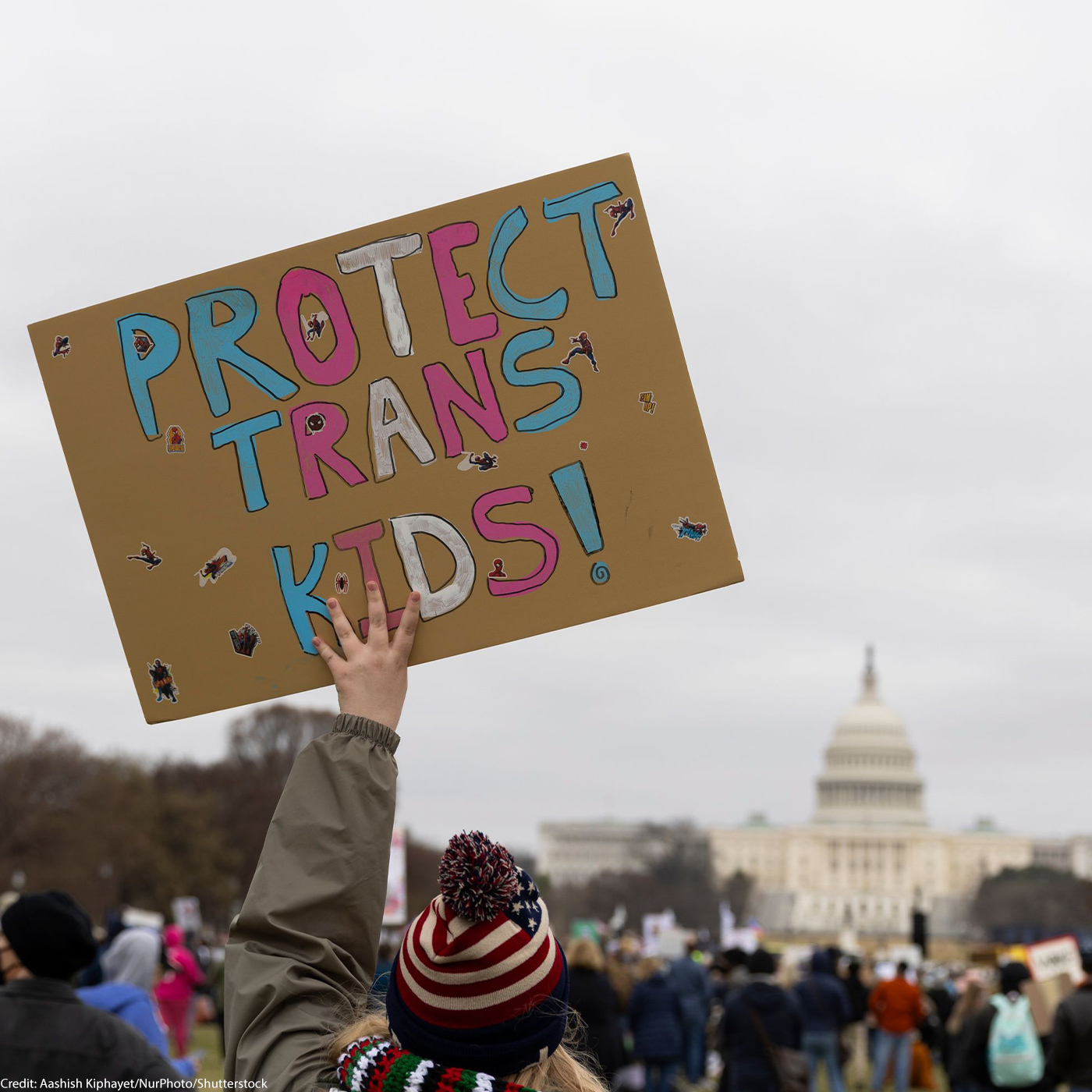
Mirabelli v. Bonta
What's at Stake
In April 2023, a lawsuit was brought challenging a California Department of Education policy preventing public school faculty from outing transgender students without the student鈥檚 consent, alleging the law violates the rights of parents. The ACLU opposes the lawsuit in the interest of protecting the privacy and safety of transgender students.
Summary
Mirabelli v. Bonta is a federal lawsuit filed in April 2023 in California challenging California laws and policies protecting transgender and gender nonconforming students from mandatory disclosure of gender-identity information to parents without the student鈥檚 consent. Transgender youth face heightened risks for bullying, harassment, violence, and homelessness, often stemming from discrimination they face at school or at home. Policies like those in California are meant to preserve the safety and dignity of transgender youth while preventing them from being forcibly outed against their will.
The lawsuit is against officials at Escondido Unified School District, State Superintendent Tony Thurmond and members of the California State Board of Education, and Attorney General Rob Bonta. In December 2025, the district court granted Plaintiffs鈥� motion for summary judgment and issued a permanent injunction blocking the policies that prevent forced outing. The injunction was stayed by the Ninth Circuit shortly thereafter pending appeal; however, Plaintiffs sought emergency relief from the U.S. Supreme Court.
In March 2026, the U.S. Supreme Court issued a per curiam order allowing the permanent injunction to go partially back into effect during the appeal process as to the parent plaintiffs. This means that for now, the policies protecting youth from forced outing cannot be enforced against parents who object to them. The Court found that the parent plaintiffs are likely to succeed on their free exercise and substantive due process claims and sent the case back down to the Ninth Circuit, where a full decision on the merits is pending.
Legal Documents
-
06/02/2026
Amicus Brief Filed by ACLU, ACLU SDIC, ACLU Nor Cal, ACLU So Cal, AU
Date Filed: 06/02/2026
Court: U.S. Court of Appeals for the Ninth Circuit