South Carolina
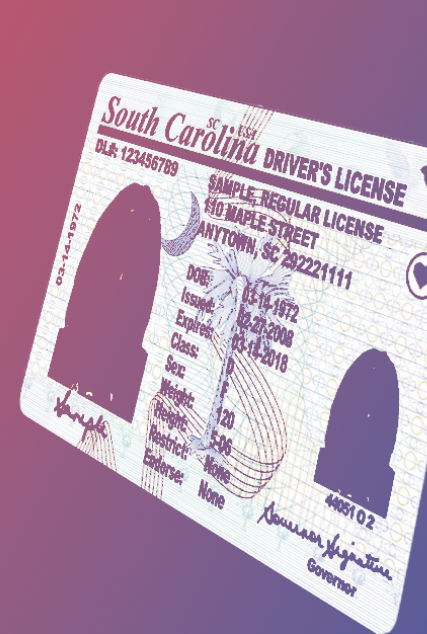
老熟女午夜福利 of South Carolina v. State Election Commission
The South Carolina Department of Motor Vehicles (SCDMV) has unlawfully denied young, eligible South Carolinians the opportunity to register to vote. Under South Carolina law, individuals who are 17 years old may register to vote and vote in primary elections so long as they (1) will turn 18 on or before the next general election, and (2) otherwise meet the qualifications for voting. An administrative error in the SCDMV's processes, however has stopped the Department from transmitting the proper paperwork to complete all registration information to the South Carolina Elections Commission. As a result, thousands of young voters who did everything right and should have been registered to vote have not been added to the state's voter rolls in the runup to the 2024 general election. ACLU and ACLU of South Carolina sued, asking the court to ensure that these new voters are registered and properly notified in time for them to vote in the November 2024 election.
Status: Closed (Voluntarily Dismissed)
View Case
All Cases
18 South Carolina Cases
U.S. Supreme Court
Jul 2024
Voting Rights
Alexander v. South Carolina State Conference of the NAACP (Congressional Map Challenge)
South Carolina unlawfully assigned voters to congressional districts based on their race and intentionally discriminated against Black voters in violation of the Equal Protection Clause.
Explore case
U.S. Supreme Court
Jul 2024
Voting Rights
Alexander v. South Carolina State Conference of the NAACP (Congressional Map Challenge)
South Carolina unlawfully assigned voters to congressional districts based on their race and intentionally discriminated against Black voters in violation of the Equal Protection Clause.
South Carolina
Nov 2023
LGBTQ Rights
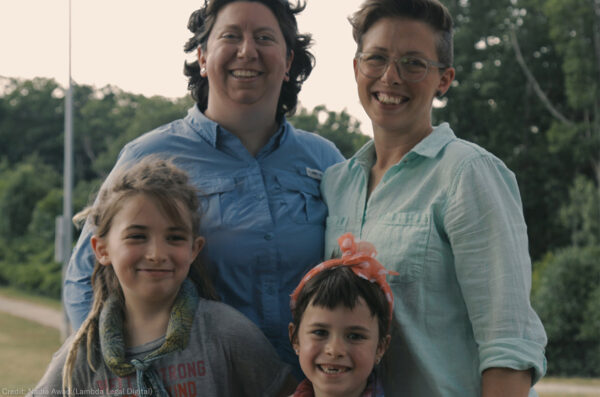
Rogers v. Health and Human Services
Eden Rogers and Brandy Welch were turned away by a government-funded foster care agency for failing to meet the agency鈥檚 religious criteria which exclude prospective foster parents who are not evangelical Protestant Christian or who are same-sex couples of any faith.
Explore case
South Carolina
Nov 2023
LGBTQ Rights
Rogers v. Health and Human Services
Eden Rogers and Brandy Welch were turned away by a government-funded foster care agency for failing to meet the agency鈥檚 religious criteria which exclude prospective foster parents who are not evangelical Protestant Christian or who are same-sex couples of any faith.
South Carolina
Mar 2023
Smart Justice
Racial Justice
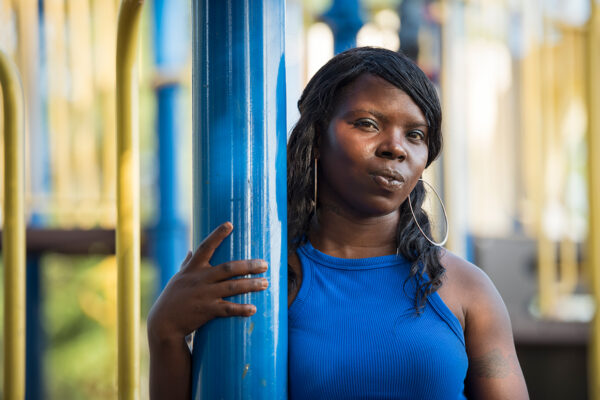
Brown v. Lexington County, et al
This case is part of a nationwide fight against criminalization of poverty and, specifically, debtors' prisons. On June 1, 2017, the ACLU's Racial Justice Program, the ACLU of South Carolina, and Terrell Marshall Law Group PLLC filed a federal lawsuit challenging the illegal arrest and incarceration of indigent people in Lexington County, South Carolina, for failure to pay fines and fees, without determining willfulness or providing assistance to counsel. Those targeted by this long-standing practice could avoid jail only if they paid the entire amount of outstanding court fines and fees up front and in full. Indigent people who were unable to pay were incarcerated for weeks to months without ever seeing a judge, having a court hearing, or receiving help from a lawyer. The result was one of the most draconian debtors鈥� prisons uncovered by the ACLU since 2010.
Explore case
South Carolina
Mar 2023
Smart Justice
Racial Justice
Brown v. Lexington County, et al
This case is part of a nationwide fight against criminalization of poverty and, specifically, debtors' prisons. On June 1, 2017, the ACLU's Racial Justice Program, the ACLU of South Carolina, and Terrell Marshall Law Group PLLC filed a federal lawsuit challenging the illegal arrest and incarceration of indigent people in Lexington County, South Carolina, for failure to pay fines and fees, without determining willfulness or providing assistance to counsel. Those targeted by this long-standing practice could avoid jail only if they paid the entire amount of outstanding court fines and fees up front and in full. Indigent people who were unable to pay were incarcerated for weeks to months without ever seeing a judge, having a court hearing, or receiving help from a lawyer. The result was one of the most draconian debtors鈥� prisons uncovered by the ACLU since 2010.
South Carolina
Feb 2023
Juvenile Justice
+2 老熟女午夜福利
CYAP v. Wilson
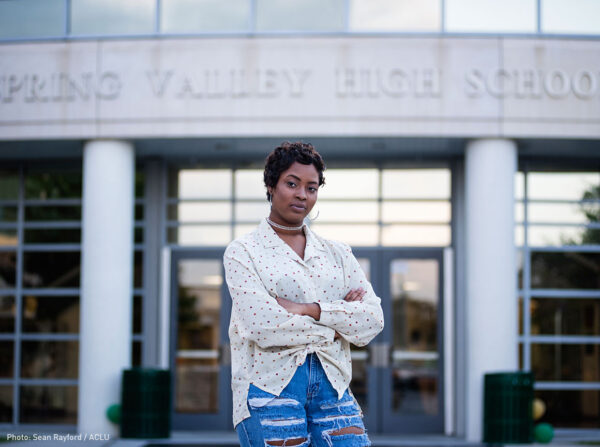
The 老熟女午夜福利 filed a federal lawsuit challenging South Carolina鈥檚 鈥渄isturbing schools鈥� and 鈥渄isorderly conduct鈥� laws. The laws allowed students in school to be criminally charged for normal adolescent behaviors including loitering, cursing, or undefined 鈥渙bnoxious鈥� actions on school grounds and encouraged discriminatory enforcement against Black students and students with disabilities. The Fourth Circuit Court of Appeals affirmed the district court ruling that enforcing these laws against students was unconstitutional, affirming that subjecting students to criminal penalties under such vague rules interferes with their education and their future, and produces stark racial disparities. This decision should be instructive to the many school districts across the country where students continue to be charged with 鈥榙isorderly conduct鈥� and similar vague crimes.
Explore case
South Carolina
Feb 2023
Juvenile Justice
+2 老熟女午夜福利
CYAP v. Wilson
The 老熟女午夜福利 filed a federal lawsuit challenging South Carolina鈥檚 鈥渄isturbing schools鈥� and 鈥渄isorderly conduct鈥� laws. The laws allowed students in school to be criminally charged for normal adolescent behaviors including loitering, cursing, or undefined 鈥渙bnoxious鈥� actions on school grounds and encouraged discriminatory enforcement against Black students and students with disabilities. The Fourth Circuit Court of Appeals affirmed the district court ruling that enforcing these laws against students was unconstitutional, affirming that subjecting students to criminal penalties under such vague rules interferes with their education and their future, and produces stark racial disparities. This decision should be instructive to the many school districts across the country where students continue to be charged with 鈥榙isorderly conduct鈥� and similar vague crimes.