Voting Rights
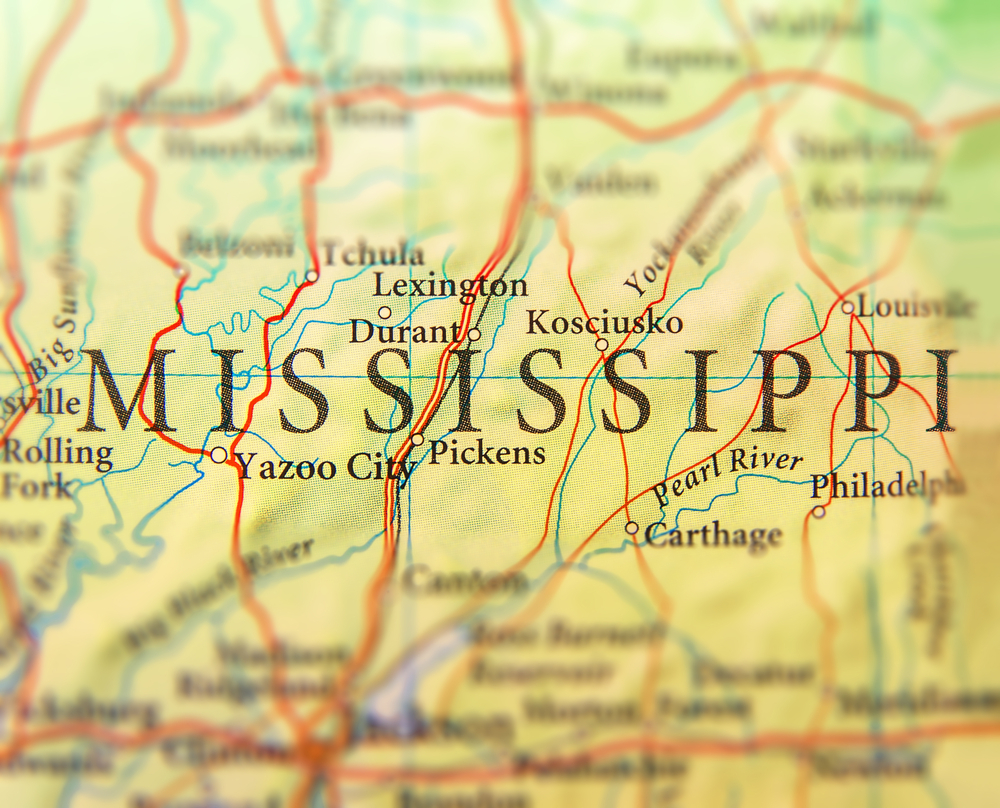
White v. Mississippi State Board of Elections
District lines used to elect Mississippi鈥檚 Supreme Court have gone unchanged for more than 35 years. We鈥檙e suing because the current lines crack the Mississippi Delta and dilute the voting strength of Black Mississippians in state Supreme Court elections, in violation of the Voting Rights Act.
Status: Ongoing
View Case
Learn About Voting Rights
Featured
U.S. Supreme Court
Nov 2025
Voting Rights
Racial Justice
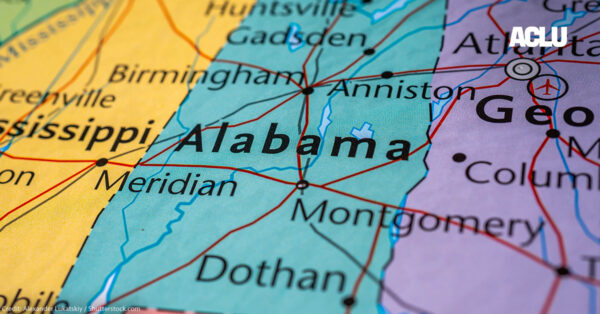
Allen v. Milligan
Whether Alabama鈥檚 congressional districts violate Section 2 of the Voting Rights Act because they discriminate against Black voters. We succeeded in winning a new map for 2024 elections which, for the first time, has two congressional district that provide Black voters a fair opportunity to elect candidates of their choosing despite multiple attempts by Alabama to stop us at the Supreme Court. Despite this win, Alabama is still defending its discriminatory map, and a trial was held in February 2025 to determine the map for the rest of the decade.
In May 2025, a federal court ruled that Alabama's 2023 congressional map both violates Section 2 of the Voting Rights Act and was enacted by the Alabama Legislature with racially discriminatory intent.
Washington, D.C.
Oct 2025
Voting Rights
League of Women Voters Education Fund v. Trump
On March 25, 2025, in a sweeping and unprecedented Executive Order, President Trump attempted to usurp the power to regulate federal elections from Congress and the States. Among other things, the Executive Order directs the Election Assistance Commission鈥攁n agency that Congress specifically established to be bipartisan and independent鈥攖o require voters to show a passport or other citizenship documentation in order to register to vote in federal elections. If implemented, the Executive Order would threaten the ability of millions of eligible Americans to register and vote and upend the administration of federal elections.
On behalf of leading voter registration organizations and advocacy organizations, the ACLU and co-counsel filed a lawsuit to block the Executive Order as an unconstitutional power grab.
U.S. Supreme Court
Oct 2025
Voting Rights
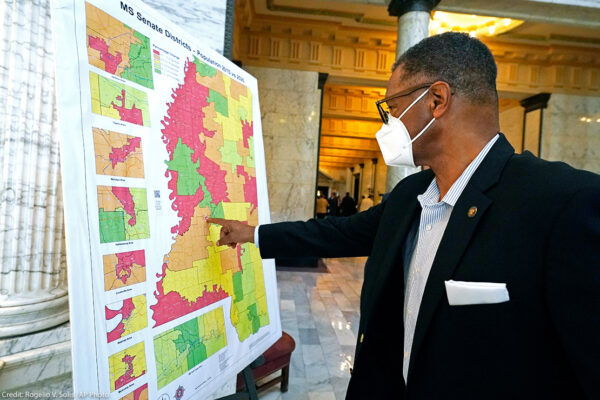
State Board of Election Commissioners v. Mississippi State Conference of the NAACP
Mississippi has a growing Black population, which is already the largest Black population percentage of any state in the country. Yet. Black Mississippians continue to be significantly under-represented in the state legislature, as Mississippi鈥檚 latest districting maps fail to reflect the reality of the state鈥檚 changing demographics. During the 2022 redistricting process, the Mississippi legislature refused to create any new districts where Black voters have a chance to elect their preferred representative. The current district lines therefore dilute the voting power of Black Mississippians and continue to deprive them of political representation that is responsive to their needs and concerns, including severe disparities in education and healthcare.
U.S. Supreme Court
Oct 2025
Voting Rights
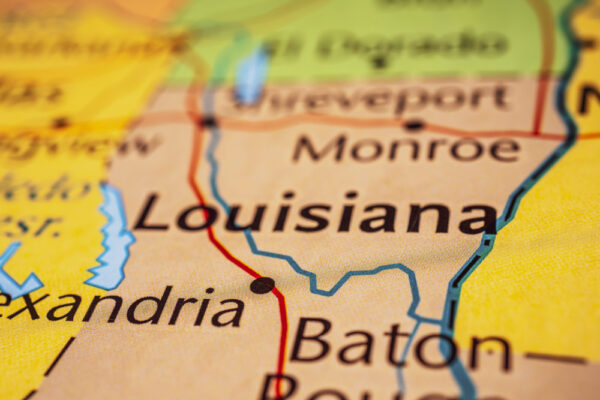
Louisiana v. Callais (Callais v. Landry)
Whether the congressional map Louisiana adopted to cure a Voting Rights Act violation in Robinson v. Ardoin is itself unlawful as a gerrymander.
Missouri
Sep 2025
Voting Rights
Wise v. Missouri
In unprecedented fashion, the State of Missouri has redrawn the district lines used for electing members of Congress for a second time this decade. These new district lines are gerrymandered and will harm political representation for all Missourians, particularly Black residents in Kansas City, who have been divided along racial lines.
Louisiana
Aug 2025
Voting Rights
Nairne v. Landry
Nairne v. Landry poses a challenge under Section 2 of the Voting Rights Act of 1965 to Louisiana鈥檚 House and Senate legislative maps on behalf of plaintiff Black voters and Black voters across the state.
All Cases
187 Voting Rights Cases
Nevada
Dec 2025
Voting Rights
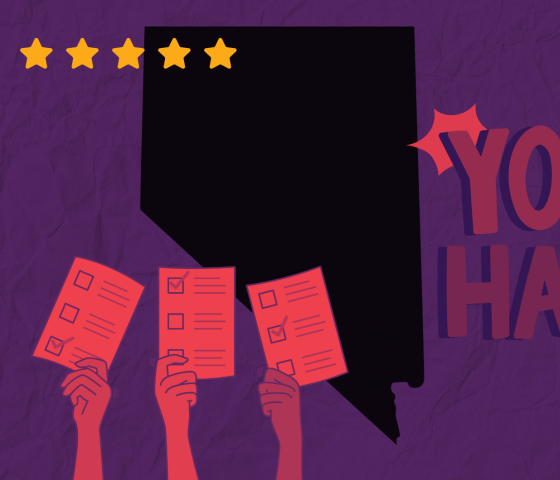
United States v. Aguilar
The Department of Justice (鈥淒OJ鈥�) sued Nevada demanding the release of its full, unredacted voter file, which includes the highly sensitive and personal data of every voter in the state. This suit appears to be part of DOJ鈥檚 effort to build a national voter database without congressional authorization, improperly question the validity of state voter rolls, and intimidate eligible voters in Nevada and around the country.
Explore case
Nevada
Dec 2025
Voting Rights
United States v. Aguilar
The Department of Justice (鈥淒OJ鈥�) sued Nevada demanding the release of its full, unredacted voter file, which includes the highly sensitive and personal data of every voter in the state. This suit appears to be part of DOJ鈥檚 effort to build a national voter database without congressional authorization, improperly question the validity of state voter rolls, and intimidate eligible voters in Nevada and around the country.
Maryland
Dec 2025
Voting Rights
United States v. DeMarinis
The Department of Justice (鈥淒OJ鈥�) sued Maryland demanding the release of its full, unredacted voter file, which includes the highly sensitive and personal data of every voter in the state. This suit appears to be part of DOJ鈥檚 effort to build a national voter database without congressional authorization, improperly question the validity of state voter rolls, and intimidate eligible voters in Maryland and around the country.
Explore case
Maryland
Dec 2025
Voting Rights
United States v. DeMarinis
The Department of Justice (鈥淒OJ鈥�) sued Maryland demanding the release of its full, unredacted voter file, which includes the highly sensitive and personal data of every voter in the state. This suit appears to be part of DOJ鈥檚 effort to build a national voter database without congressional authorization, improperly question the validity of state voter rolls, and intimidate eligible voters in Maryland and around the country.
Maine
Dec 2025
Voting Rights
United States v. Bellows (Amicus)
Representing the ACLU of Maine, the ACLU Voting Rights Project and the ACLU of Maine filed an amicus brief in a federal lawsuit over the federal government鈥檚 demand that Maine turn over its entire voter registration rolls, including with voters鈥� sensitive personal data such as drivers鈥� license numbers and partial social security numbers.
Explore case
Maine
Dec 2025
Voting Rights
United States v. Bellows (Amicus)
Representing the ACLU of Maine, the ACLU Voting Rights Project and the ACLU of Maine filed an amicus brief in a federal lawsuit over the federal government鈥檚 demand that Maine turn over its entire voter registration rolls, including with voters鈥� sensitive personal data such as drivers鈥� license numbers and partial social security numbers.
New Hampshire
Dec 2025
Voting Rights
Coalition for Open Democracy v. Scanlan
This lawsuit challenges HB 1569, a new law that will make New Hampshire the only state to require every person to produce documentary proof of citizenship when they register to vote for both state and federal elections. It also challenges HB 1569鈥檚 elimination a preexisting protection for voters鈥攏amely, an affidavit option that allowed voters who faced surprise challenges to their eligibility at the polls to swear to their qualifications and cast a ballot. Accordingly, HB 1569 violates the First and Fourteenth Amendments of the U.S. Constitution by placing substantial burdens on New Hampshirites at all stages of the voting process, and will arbitrarily disenfranchise hundreds, if not thousands of qualified voters.
Explore case
New Hampshire
Dec 2025
Voting Rights
Coalition for Open Democracy v. Scanlan
This lawsuit challenges HB 1569, a new law that will make New Hampshire the only state to require every person to produce documentary proof of citizenship when they register to vote for both state and federal elections. It also challenges HB 1569鈥檚 elimination a preexisting protection for voters鈥攏amely, an affidavit option that allowed voters who faced surprise challenges to their eligibility at the polls to swear to their qualifications and cast a ballot. Accordingly, HB 1569 violates the First and Fourteenth Amendments of the U.S. Constitution by placing substantial burdens on New Hampshirites at all stages of the voting process, and will arbitrarily disenfranchise hundreds, if not thousands of qualified voters.
South Carolina
Dec 2025
Voting Rights
NAACP South Carolina State Conference v. Wilson
All voters with disabilities have the right to receive assistance voting from a person of their choice. South Carolina prohibits some voters with disabilities from receiving assistance and limits who voters can rely on for assistance. Voters with disabilities and the NAACP South Carolina State Conference sued to challenge those laws under Section 208 of the Voting Rights Act and protect disabled voters鈥� right to assistance.
Explore case
South Carolina
Dec 2025
Voting Rights
NAACP South Carolina State Conference v. Wilson
All voters with disabilities have the right to receive assistance voting from a person of their choice. South Carolina prohibits some voters with disabilities from receiving assistance and limits who voters can rely on for assistance. Voters with disabilities and the NAACP South Carolina State Conference sued to challenge those laws under Section 208 of the Voting Rights Act and protect disabled voters鈥� right to assistance.