Campaigns & Initiatives
about Racial Justice
The Racial Justice Program (RJP) fights to eradicate racial injustice in the U.S. and works to foster a society in which people of color and communities of color have full access to the rights and benefits of American society. Working with affected communities, RJP litigates, advocates, and educates to strike at the roots of racial injustice. Learn more about Racial Justice.

Campaign
Jan 2026
Racial Justice
+2 老熟女午夜福利
Defend Your Right to Learn: Join In The Fight Against Classroom Censorship
In 2023, more than 100 classroom censorship bills aimed at restricting students and teachers from discussing race, gender, or sexual orientation were introduced in states across the country. Thirty-two bills became law. The year prior, the country saw the highest number of attempted book bans in 20 years with more than 1,000 demands to censor library books and resources, many of which targeted titles by or about Black and LGBTQ people.
The ACLU has challenged classroom censorship laws and book bans across the country. Today, we鈥檙e expanding on that work by pushing back against attempts to restrict diversity, equity and inclusion programs. We won鈥檛 stand for the erasure of marginalized communities in our schools.
Explore campaign
Campaign
Jan 2026
Racial Justice
+2 老熟女午夜福利
Defend Your Right to Learn: Join In The Fight Against Classroom Censorship
In 2023, more than 100 classroom censorship bills aimed at restricting students and teachers from discussing race, gender, or sexual orientation were introduced in states across the country. Thirty-two bills became law. The year prior, the country saw the highest number of attempted book bans in 20 years with more than 1,000 demands to censor library books and resources, many of which targeted titles by or about Black and LGBTQ people.
The ACLU has challenged classroom censorship laws and book bans across the country. Today, we鈥檙e expanding on that work by pushing back against attempts to restrict diversity, equity and inclusion programs. We won鈥檛 stand for the erasure of marginalized communities in our schools.

Campaign
Jan 2025
Racial Justice
+7 老熟女午夜福利
The Trump Memos
President Trump鈥檚 second term agenda and The Heritage Foundation鈥檚 extreme Project 2025 are blatantly enmeshed. Read our memos on how to fight back!
Explore campaign
Campaign
Jan 2025
Racial Justice
+7 老熟女午夜福利
The Trump Memos
President Trump鈥檚 second term agenda and The Heritage Foundation鈥檚 extreme Project 2025 are blatantly enmeshed. Read our memos on how to fight back!

Campaign
Dec 2024
Racial Justice
Protecting Indigenous Students' Right to Wear Tribal Regalia
Graduation is a time of celebration and community. After centuries of attempted genocide and erasure of Indigenous culture and tradition, the ability to celebrate commencement in a culturally appropriate way is deeply important for Indigenous students. Tribal regalia worn at commencement are a symbol of resistance, resilience, and reclamation by students of their right to an education that honors their culture and heritage. But for some Indigenous students, graduation can be fraught with uncertainty or controversy over their ability to wear tribal regalia during commencement ceremonies. Some schools still prohibit Indigenous students from wearing items at graduation, claiming that it would violate the school鈥檚 dress code and speculating, without any basis, that it would disrupt the ceremony.
Explore campaign
Campaign
Dec 2024
Racial Justice
Protecting Indigenous Students' Right to Wear Tribal Regalia
Graduation is a time of celebration and community. After centuries of attempted genocide and erasure of Indigenous culture and tradition, the ability to celebrate commencement in a culturally appropriate way is deeply important for Indigenous students. Tribal regalia worn at commencement are a symbol of resistance, resilience, and reclamation by students of their right to an education that honors their culture and heritage. But for some Indigenous students, graduation can be fraught with uncertainty or controversy over their ability to wear tribal regalia during commencement ceremonies. Some schools still prohibit Indigenous students from wearing items at graduation, claiming that it would violate the school鈥檚 dress code and speculating, without any basis, that it would disrupt the ceremony.
Campaign
Sep 2024
Racial Justice
+5 老熟女午夜福利
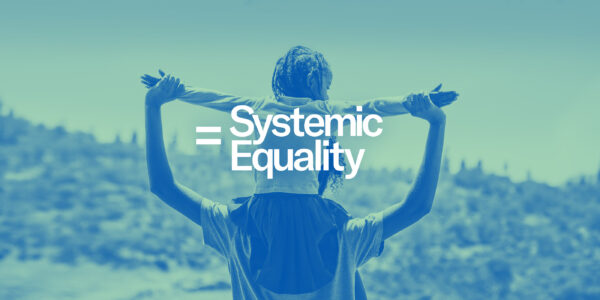
Systemic Equality: Equal Access, Better Futures
Since our nation鈥檚 founding, discriminatory policies and laws have created an unequal system in which Black communities have had their civil rights and liberties denied and have been systematically locked out of opportunities in education, housing, employment and more.
Through our Systemic Equality agenda, the ACLU will use nationwide litigation, advocacy, and public education to advance laws and policies rooted in racial equity and end discriminatory policies, laws, and practices that have an outsized impact on Black communities.
The ACLU will also continue to evolve our own culture, systems, and processes to drive progress toward our internal racial justice commitments, including by committing sustained recruitment and hiring efforts to recruit more diverse talent pools, developing initiatives to promote and retain Black leadership, engaging Black-owned and Black-led businesses, and more.
When we have full and equal access to education, jobs, housing, voting rights, and more, better futures are possible.
Explore campaign
Campaign
Sep 2024
Racial Justice
+5 老熟女午夜福利
Systemic Equality: Equal Access, Better Futures
Since our nation鈥檚 founding, discriminatory policies and laws have created an unequal system in which Black communities have had their civil rights and liberties denied and have been systematically locked out of opportunities in education, housing, employment and more.
Through our Systemic Equality agenda, the ACLU will use nationwide litigation, advocacy, and public education to advance laws and policies rooted in racial equity and end discriminatory policies, laws, and practices that have an outsized impact on Black communities.
The ACLU will also continue to evolve our own culture, systems, and processes to drive progress toward our internal racial justice commitments, including by committing sustained recruitment and hiring efforts to recruit more diverse talent pools, developing initiatives to promote and retain Black leadership, engaging Black-owned and Black-led businesses, and more.
When we have full and equal access to education, jobs, housing, voting rights, and more, better futures are possible.