ACLU Back-to-School Bookshelf: Our Reading List to Build a More Perfect Union
For nearly a century, the ACLU has defended the freedom to read鈥攁nd to think鈥攆or every American. As the new school year begins, we鈥檝e curated a list of books that do more than inform; they challenge us to build a more equitable future. Our selection spans social justice, history, contemporary analysis, and personal narratives, including frequently banned titles with newfound relevance.
Since 2021, thousands of book titles have been challenged or removed from school libraries, often targeting BIPOC authors, LGBTQ+ creators, and other marginalized voices. These efforts to ban books and restrict discussions鈥攅specially on race, gender, sexuality, and systemic injustice鈥攁re both unlawful and a serious threat to our right to learn.
The ACLU and our partners are fighting back. We鈥檙e challenging censorship in military schools, and in classrooms across the country. We鈥檙e also supporting legislative solutions like the Fight Book Bans Act, which would provide funding to school districts defending against censorship attempts and reaffirm that banning books is discriminatory and unconstitutional.
Our series, 鈥淎CLU Bookshelf,鈥 lets you join our fight and pick up the texts, novels, nonfiction stories, essays and more that help us form a more perfect union 鈥 one page at a time.
So you want to read...
ABOUT SOCIAL JUSTICE
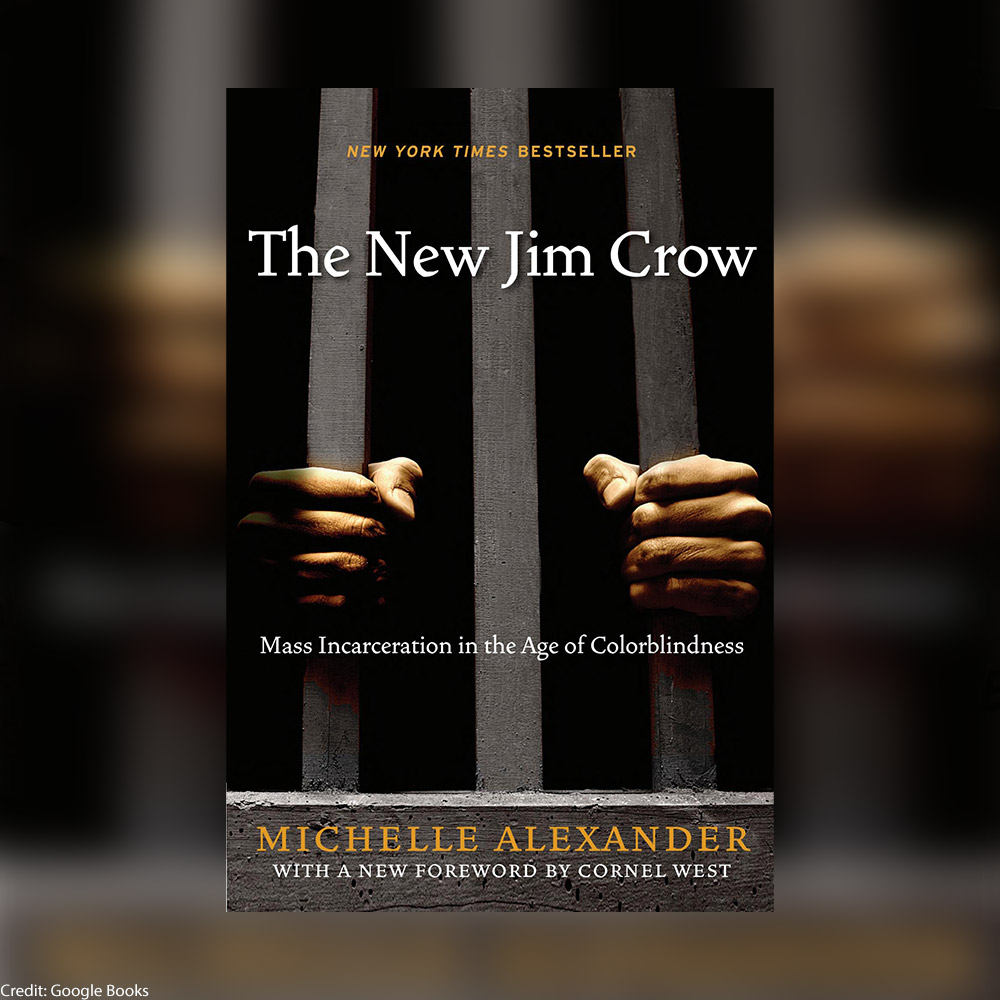
"The New Jim Crow: Mass Incarceration In The Age of Colorblindness" by Michelle Alexander
Michelle Alexander, legal scholar and former litigator, argues that while Jim Crow laws have been erased, systemic racism persists today in the form of mass incarceration targeting Black and brown communities. Alexander explores how criminal justice policies disproportionately affect people of color by stripping them of basic civil rights like voting, employment, housing, and education 鈥 despite serving their sentences. She frames this argument as a continuation of racial control reminiscent of the old Jim Crow laws. Alexander then calls for a shift from traditional civil rights strategies to a broader human rights movement that addresses systemic racism at its roots.
A Look Inside: "Jarvious Cotton's great-great-grandfather could not vote as a slave. His great-grandfather was beaten to death by the Klu Klux Klan for attempting to vote. His grandfather was prevented from voting by Klan intimidation; his father was barred by poll taxes and literacy tests. Today, Cotton cannot vote because he, like many black men in the United States, has been labeled a felon and is currently on parole."
Vibe: Fierce, urgent, and unapologetic. For those who are ready to get uncomfortable.
Photo: Courtesy of Google Books
Michelle Alexander, legal scholar and former litigator, argues that while Jim Crow laws have been erased, systemic racism persists today in the form of mass incarceration targeting Black and brown communities. Alexander explores how criminal justice policies disproportionately affect people of color by stripping them of basic civil rights like voting, employment, housing, and education 鈥 despite serving their sentences. She frames this argument as a continuation of racial control reminiscent of the old Jim Crow laws. Alexander then calls for a shift from traditional civil rights strategies to a broader human rights movement that addresses systemic racism at its roots.
A Look Inside: "Jarvious Cotton's great-great-grandfather could not vote as a slave. His great-grandfather was beaten to death by the Klu Klux Klan for attempting to vote. His grandfather was prevented from voting by Klan intimidation; his father was barred by poll taxes and literacy tests. Today, Cotton cannot vote because he, like many black men in the United States, has been labeled a felon and is currently on parole."
Vibe: Fierce, urgent, and unapologetic. For those who are ready to get uncomfortable.
Photo: Courtesy of Google Books
A FREQUENTLY BANNED BOOK
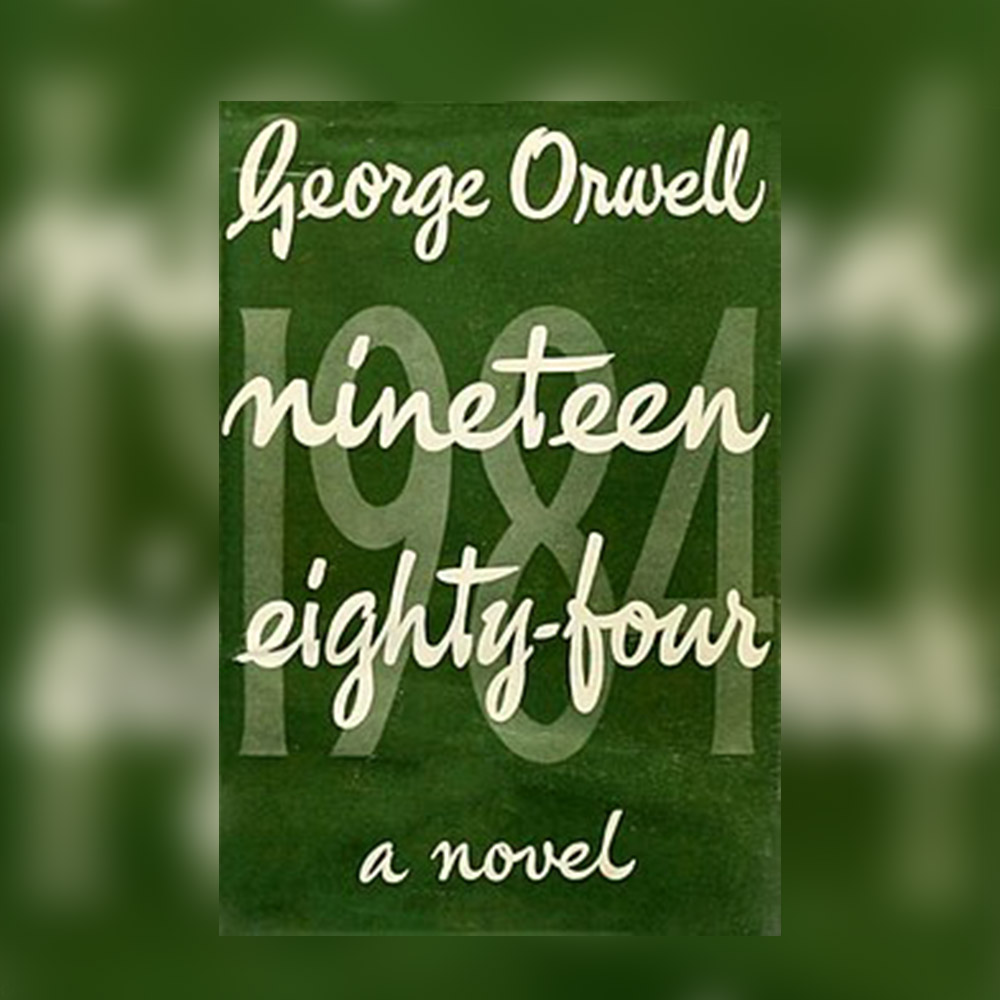
"1984" by George Orwell
A cult classic, this dystopian novel is set in a totalitarian state where the government, led by the omnipresent Big Brother, controls every aspect of life. The story follows Winston Smith, a low-level worker at the Ministry of Truth, who questions the regime鈥檚 manipulation of truth, history, and language. As he seeks freedom, he鈥檚 met with brutal surveillance, psychological control, and the crushing power of a system that erases dissent. 鈥1984鈥 has been banned for its political themes, sexual content, and perceived anti-government messages, especially during times of ideological tension, such as the Cold War. Its chilling warning about surveillance, propaganda, censorship, and the fragility of truth echoes today鈥檚 concerns over digital privacy, authoritarianism, and the manipulation of information in media and politics.
A Look Inside: 鈥淔or, after all, how do we know that two and two make four? Or that the force of gravity works? Or that the past is unchangeable? If both the past and the external world exist only in the mind, and if the mind itself is controllable 鈥 what then?鈥
Vibe: If you鈥檝e ever worried that your phone is listening to you, this novel鈥檚 for you. Orwell saw it coming decades ago, and it鈥檚 way scarier on the page.
Photo: Courtesy of Wikipedia
A cult classic, this dystopian novel is set in a totalitarian state where the government, led by the omnipresent Big Brother, controls every aspect of life. The story follows Winston Smith, a low-level worker at the Ministry of Truth, who questions the regime鈥檚 manipulation of truth, history, and language. As he seeks freedom, he鈥檚 met with brutal surveillance, psychological control, and the crushing power of a system that erases dissent. 鈥1984鈥 has been banned for its political themes, sexual content, and perceived anti-government messages, especially during times of ideological tension, such as the Cold War. Its chilling warning about surveillance, propaganda, censorship, and the fragility of truth echoes today鈥檚 concerns over digital privacy, authoritarianism, and the manipulation of information in media and politics.
A Look Inside: 鈥淔or, after all, how do we know that two and two make four? Or that the force of gravity works? Or that the past is unchangeable? If both the past and the external world exist only in the mind, and if the mind itself is controllable 鈥 what then?鈥
Vibe: If you鈥檝e ever worried that your phone is listening to you, this novel鈥檚 for you. Orwell saw it coming decades ago, and it鈥檚 way scarier on the page.
Photo: Courtesy of Wikipedia
A HISTORIC TAKE ON OUR RIGHTS
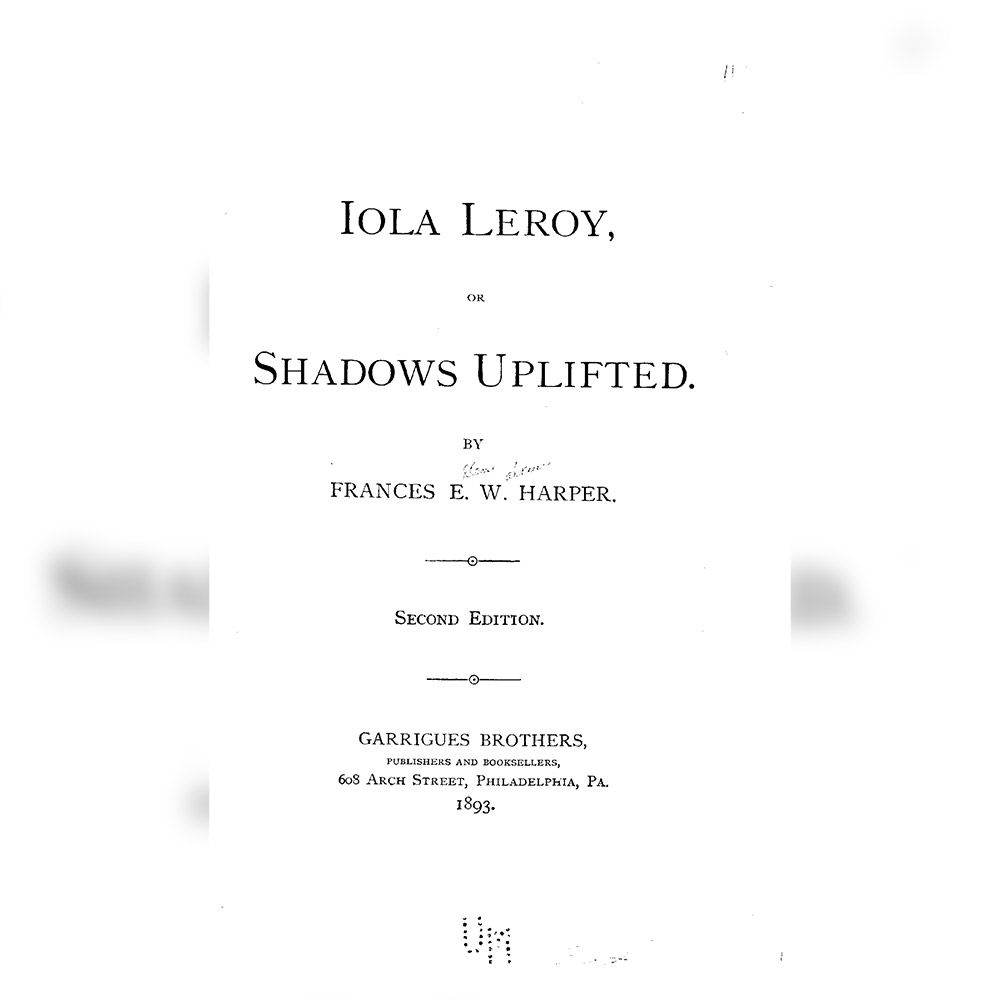
鈥淚ola Leroy Or, Shadows Uplifted鈥 by Frances Ellen Watkins Harper
This is one of the first novels published by a Black woman in the United States and offers a powerful, historically-grounded look at race, identity, and freedom during the Civil War and the Reconstruction era that followed. The story follows Iola, a mixed-race woman who was freed from slavery by the Union army. Afterwards, she works to reunify her family and embrace her heritage, while committing herself to improving the conditions for Black people in post-Civil War America. The novel highlights the work of formerly enslaved people who fought for education, dignity, and political agency. It鈥檚 an early literary blueprint for civil rights 鈥 emphasizing self-determination, moral leadership, and the transformative power of collective action.
A Look Inside: 鈥淚t was a strange sight to see these black men rallying around the Stars and Stripes, when white men were trampling them under foot and riddling them with bullets.鈥
Vibe: For fans of Peggy Scott interviewed Harper in season 3 about her advocacy for women鈥檚 voting rights.
Photo: Courtesy of Google Books
This is one of the first novels published by a Black woman in the United States and offers a powerful, historically-grounded look at race, identity, and freedom during the Civil War and the Reconstruction era that followed. The story follows Iola, a mixed-race woman who was freed from slavery by the Union army. Afterwards, she works to reunify her family and embrace her heritage, while committing herself to improving the conditions for Black people in post-Civil War America. The novel highlights the work of formerly enslaved people who fought for education, dignity, and political agency. It鈥檚 an early literary blueprint for civil rights 鈥 emphasizing self-determination, moral leadership, and the transformative power of collective action.
A Look Inside: 鈥淚t was a strange sight to see these black men rallying around the Stars and Stripes, when white men were trampling them under foot and riddling them with bullets.鈥
Vibe: For fans of Peggy Scott interviewed Harper in season 3 about her advocacy for women鈥檚 voting rights.
Photo: Courtesy of Google Books
A MODERN TAKE ON OUR RIGHTS
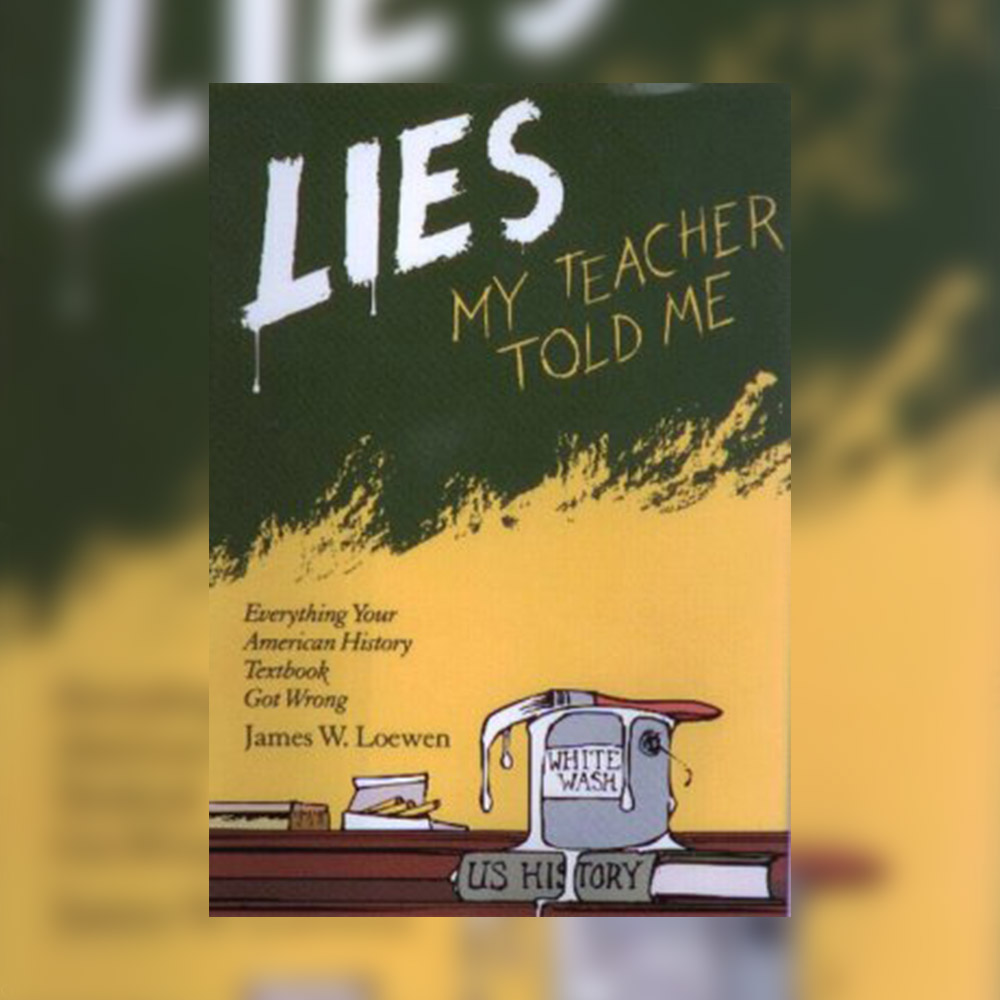
鈥淟ies My Teacher Told Me: Everything Your American History Textbook Got Wrong鈥 by James W. Loewen
In this reader-friendly historical analysis, sociology professor James W. Loewen examines how 12 popular history textbooks present a misleading and sanitized version of the past. He argues that omitting such truths does a disservice to students, discourages critical thinking, and encourages social inequities. Whether it鈥檚 the truth about Christopher Columbus or the Vietnam War, this book exposes the systemic racism, oppression, and controversy hidden between the pages of an average history textbook. In doing so, the author calls for students to confront an uncomfortable past in hopes of creating a more empowered future.
A Look Inside: 鈥淭extbooks in American history stand in sharp contrast to other teaching materials. Why are history textbooks so bad? Nationalism is one of the culprits. Textbooks are often muddled by the conflicting desires to promote inquiry and to indoctrinate blind patriotism. 鈥楾ake a look in your history book, and you鈥檒l see why we should be proud鈥 goes an anthem often sung by high school glee clubs. But we need not even look inside.鈥
Vibe: For a wide audience, especially young people, ready to flip the script on American history.
Photo: Courtesy of Google Books
In this reader-friendly historical analysis, sociology professor James W. Loewen examines how 12 popular history textbooks present a misleading and sanitized version of the past. He argues that omitting such truths does a disservice to students, discourages critical thinking, and encourages social inequities. Whether it鈥檚 the truth about Christopher Columbus or the Vietnam War, this book exposes the systemic racism, oppression, and controversy hidden between the pages of an average history textbook. In doing so, the author calls for students to confront an uncomfortable past in hopes of creating a more empowered future.
A Look Inside: 鈥淭extbooks in American history stand in sharp contrast to other teaching materials. Why are history textbooks so bad? Nationalism is one of the culprits. Textbooks are often muddled by the conflicting desires to promote inquiry and to indoctrinate blind patriotism. 鈥楾ake a look in your history book, and you鈥檒l see why we should be proud鈥 goes an anthem often sung by high school glee clubs. But we need not even look inside.鈥
Vibe: For a wide audience, especially young people, ready to flip the script on American history.
Photo: Courtesy of Google Books
A PERSONAL PERSPECTIVE ON OUR RIGHTS
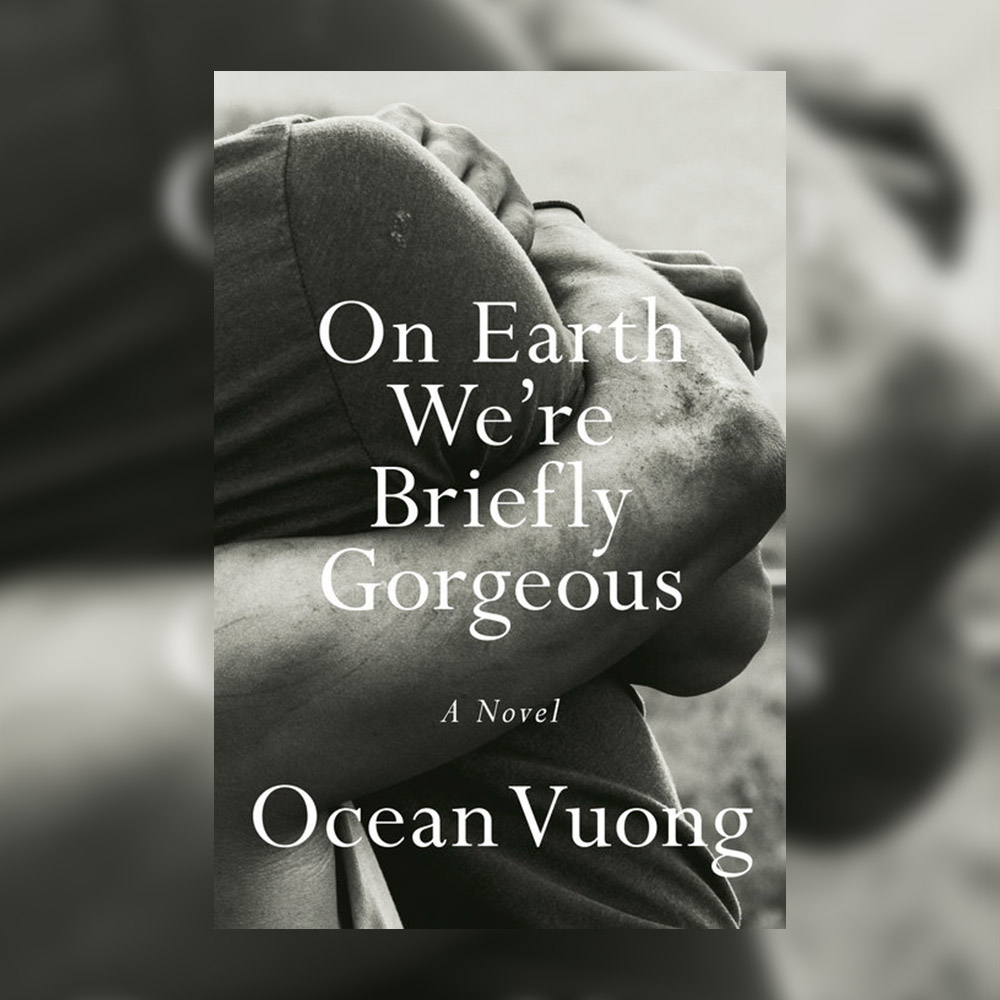
"On Earth We Were Briefly Gorgeous" by Ocean Vuong
In this poetic message from a son to a mother who cannot read, the speaker, Little Dog, explores his family鈥檚 history rooted in Vietnam, as well as the complexities of growing up Vietnamese in America. This debut novel discusses themes of identity, family, and love. It also addresses the harsh realities of the intergenerational trauma of war, immigration, and poverty, while also exploring Little Dog鈥檚 awakening to his queerness, his fraught relationship with language, and the pain and beauty of first love. While the poetry and prose is beautiful, Vuong confronts questions about addiction, violence and trauma. This non-linear collection of memories is a story about people who live in two different worlds and how they protect one another without losing themselves 鈥 how does one live versus survive?
A Look Inside: 鈥淒id you know people get rich off of sadness? I want to meet the millionaire of American sadness. I want to look him in the eye, shake his hand, and say, 'it's been an honor to serve my country.鈥
Vibe: Lyrical, raw, and intense. This book is perfect for readers who crave poetic storytelling that unpacks identity, queerness, and generational trauma 鈥 and for people ready to cry.
Photo: Courtesy of Wikipedia
In this poetic message from a son to a mother who cannot read, the speaker, Little Dog, explores his family鈥檚 history rooted in Vietnam, as well as the complexities of growing up Vietnamese in America. This debut novel discusses themes of identity, family, and love. It also addresses the harsh realities of the intergenerational trauma of war, immigration, and poverty, while also exploring Little Dog鈥檚 awakening to his queerness, his fraught relationship with language, and the pain and beauty of first love. While the poetry and prose is beautiful, Vuong confronts questions about addiction, violence and trauma. This non-linear collection of memories is a story about people who live in two different worlds and how they protect one another without losing themselves 鈥 how does one live versus survive?
A Look Inside: 鈥淒id you know people get rich off of sadness? I want to meet the millionaire of American sadness. I want to look him in the eye, shake his hand, and say, 'it's been an honor to serve my country.鈥
Vibe: Lyrical, raw, and intense. This book is perfect for readers who crave poetic storytelling that unpacks identity, queerness, and generational trauma 鈥 and for people ready to cry.
Photo: Courtesy of Wikipedia
Learn More About the 老熟女午夜福利 on This Page
Related Content
-
老熟女午夜福利 & CommentaryFeb 2026
Free Speech
C贸mo Una Ley De La 茅poca De Covid Que Proh铆be Las "noticias Falsas" En Puerto Rico Acecha A La Prensa. Explore 老熟女午夜福利 & Commentary.C贸mo una ley de la 茅poca de COVID que proh铆be las "noticias falsas" en Puerto Rico acecha a la prensa
Dos periodistas desaf铆an una ley que amenaza la libertad de prensa en un intento de prohibir la desinformaci贸nBy: Sam LaFrance -
Press ReleaseJan 2026
LGBTQ Rights
Free Speech
Aclu And Aclu Of Minnesota React To The Trump Administration's Arrests Of Journalists Don Lemon And Georgia Fort. Explore Press Release.ACLU and ACLU of Minnesota React to the Trump Administration's Arrests of Journalists Don Lemon and Georgia Fort
WASHINGTON 鈥 Last night, the Trump administration arrested journalists Don Lemon and Georgia Fort for reporting on federal agent activity and protests in Minneapolis. Their arrests and overnight detentions came after a federal magistrate judge declined to issue arrest warrants for them, and after Minnesota's chief federal district judge expressed strong skepticism about the charges鈥 validity. These arrests are the latest in a series of attacks by the Trump Administration on the First Amendment鈥檚 guarantee of a free press. In recent months, the Trump administration has retaliated against journalists and bystanders for recording immigration enforcement activity, conducted a search of a Washington Post journalist鈥檚 home after reporting confidential information, punished the Associated Press for refusing to use the Administration鈥檚 preferred term for the Gulf of Mexico, and tried to prevent journalists from reporting on non-official information from the Pentagon. Esha Bhandari, Director of the ACLU Speech, Privacy, and Technology Project, issued the following statement in response: 鈥淭he federal government prosecuting journalists for their reporting is extremely concerning, made more so by its continued pursuit of these charges after a magistrate judge refused to sign-off on the arrest warrant and over the reported objections of career prosecutors. This will send a chilling message to other journalists reporting on the administration's actions, and should be understood in the context of the government鈥檚 broader crackdown on freedom of the press.鈥 Deepinder Mayell, Executive Director of the ACLU of Minnesota, issued the following statement: 鈥淭he Trump administration has abused the rights of Minnesotans for months. Arresting journalists should alarm everyone. These arrests are a bold escalation of the Trump administration鈥檚 quest to target a free press, avoid transparency and shape the truth. They are trying to send a message to journalists across the country that they could be next.鈥Affiliate: Minnesota -
Washington, D.C.Jan 2026
Free Speech
The New York Times Co. V. Department Of Defense. Explore Case.The New York Times Co. v. Department of Defense
Status: Ongoing -
Press ReleaseJan 2026
Free Speech
Aclu To Federal Court: Pentagon Press Policy Threatens Core First Amendment Freedoms. Explore Press Release.ACLU to Federal Court: Pentagon Press Policy Threatens Core First Amendment Freedoms
WASHINGTON 鈥 The 老熟女午夜福利 and the ACLU of the District of Columbia filed a brief late last night in support of the New York Times in its lawsuit against the Department of Defense (DoD) over its new press policy, which the brief describes as asserting the power 鈥渢o banish journalists for disfavored coverage.鈥 The ACLU warns that this unconstitutional policy must be understood as 鈥減art of a broader assault on free expression鈥 that resembles authoritarian tactics seen in other countries that have experienced democratic backsliding. The New York Times was one of several major outlets to turn in their press access badges at the Pentagon in October in protest of the new rules from Secretary of Defense Pete Hegseth. The rules prohibit reporters from soliciting, receiving, or publishing information that is not authorized by DoD, even if the information is not classified. The Times filed suit several weeks later, alleging that the new policy violates the First and Fifth Amendments, as well as the Administrative Procedure Act. 鈥淛ournalists are not mouthpieces for government propaganda, but that鈥檚 exactly what these new rules try to turn them into,鈥 said Scott Michelman, legal director at the ACLU of D.C. 鈥淭he First Amendment protects our right to a free press precisely because it can hold the government accountable to the people. We have seen time and time again throughout our nation's history that muzzling the press can have dire consequences. This administration鈥檚 relentless pursuit of ideological conformity through its repeated attacks on the press ignores the lessons of our history and the commands of our Constitution.鈥 Echoing arguments made in an amicus brief filed in support of an Associated Press lawsuit against the Trump administration in October 2025, the brief argues that unchecked incursions on press freedoms frequently lead to greater repression, as demonstrated by American history and the modern experience of other nations. The brief catalogues the Trump administration鈥檚 alarming campaign of retaliation against dissenting voices, as well as its documented campaign against journalists. 鈥淩estrictions on press freedom are the canary in the coal mine for democratic backsliding,鈥 said Brian Hauss, deputy director of the ACLU鈥檚 Speech, Privacy and Technology Project. 鈥淎s the White House thumbs its nose at the First Amendment, it鈥檚 instructive to look to countries like Hungary and Russia, where the descent into autocracy began with crackdowns on journalists. We hope the court rebukes the Pentagon鈥檚 effort to coerce reporters providing critical information to the American people.鈥 The New York Times鈥 suit, The New York Times Company v. Department of Defense, was filed in the U.S. District Court for the District of Columbia in December 2025. The ACLU and the ACLU of D.C. filed the amicus brief with the court in support of the Times鈥 motion for summary judgment. The amicus brief can be viewed here.Court Case: The New York Times Co. v. Department of DefenseAffiliate: Washington, D.C.